
New build guide
New Build Mortgages Explained
Understand how mortgages for new build homes work, what lenders may check and why timing, incentives and affordability matter.
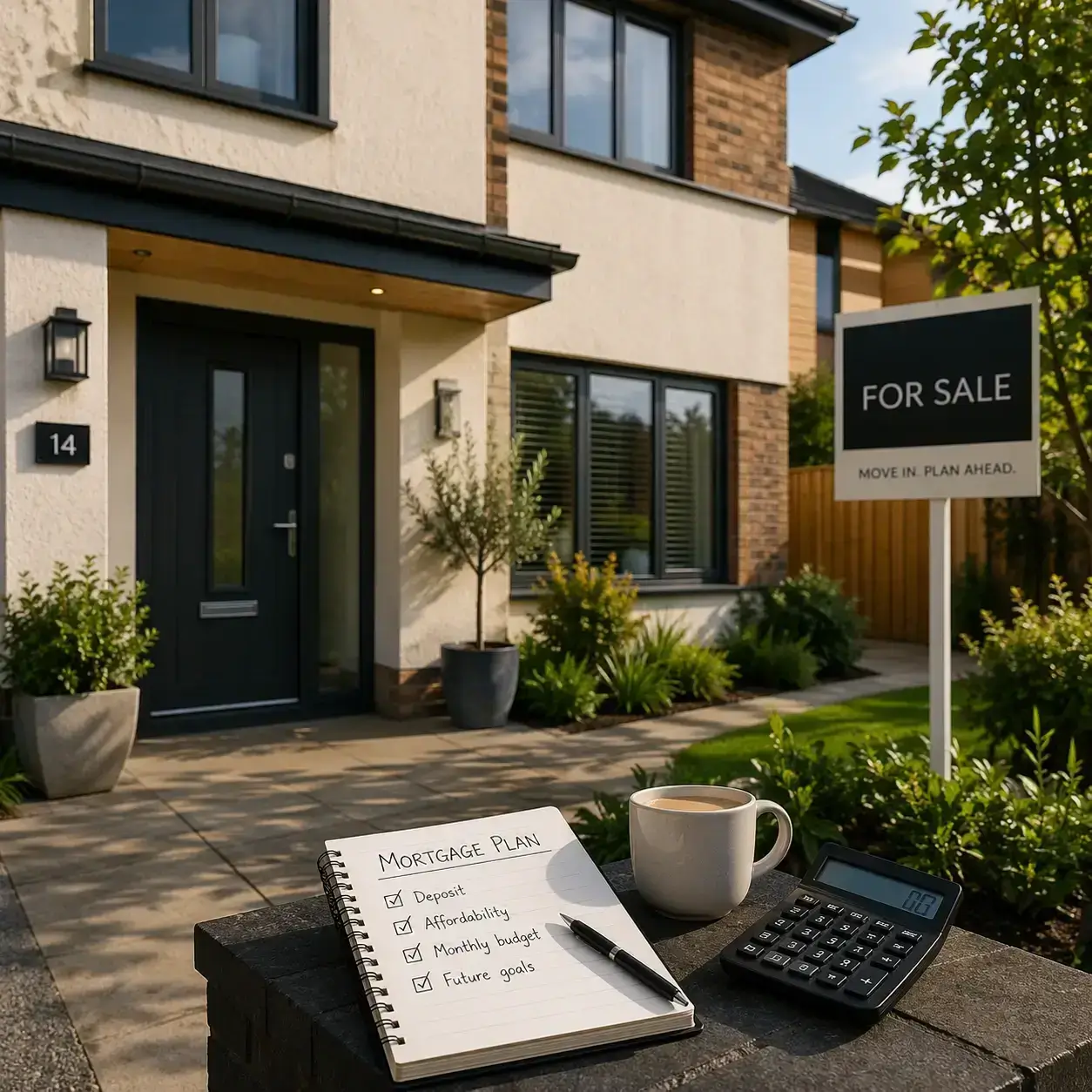
New build purchases can move quickly, so it helps to check your mortgage options before reserving a property.
Useful reminder: New build timing, incentives and offer expiry dates all need checking before you commit.
Quick answer
Can you get a mortgage on a new build home?
Yes, many lenders offer mortgages for new build houses and flats, but criteria can be different from buying an older property. Lenders may look closely at the property type, deposit size, builder incentives, valuation, completion timescale and whether the mortgage offer will still be valid when the home is ready. Some lenders may ask for a larger deposit on new build flats than houses. Reservation deadlines can also be tight, so it is sensible to check your mortgage position before paying a reservation fee or committing to a purchase.
Important: Your home may be repossessed if you do not keep up repayments on your mortgage.
New build houses and flats may be assessed differently from older homes, depending on the lender.
Some lenders may need a larger deposit, especially for certain new build flats or higher loan-to-value cases.
Builder incentives, contributions and extras usually need to be declared and may affect the lender’s valuation.
Mortgage offers have expiry dates, so the build completion timescale needs to be considered carefully.
Key points
Key takeaways about new build mortgages
Request a callback
Request a callback
Have a question about this guide? Leave your details and an adviser can talk you through the next step.
Main guide
What is a new build mortgage?
A new build mortgage is a mortgage used to buy a newly built property, whether it is already finished or being bought before completion. The mortgage itself works in a similar way to other residential mortgages, but lenders may apply additional checks because the property is new.
New build purchases can include newly completed houses, new build flats, off-plan properties and homes reserved through a developer. Some buyers reserve before the property is physically finished, which can make timing more important than with a standard purchase.
Why new builds can be assessed differently
Lenders want to understand both the borrower and the property. With a new build, they may pay extra attention to the valuation, warranty, build completion, lease details if it is a flat, service charges, developer incentives and whether the mortgage offer will still be valid by the time the property is ready.
A new build can be a good option for some buyers, but it is important not to assume every lender will treat the property in the same way. Criteria can vary, and the right lender may depend on the property type, deposit and your wider circumstances.
Your home may be repossessed if you do not keep up repayments on your mortgage.

What do lenders check on a new build mortgage?
When you apply for a new build mortgage, the lender will assess your affordability, credit profile and deposit, as with any residential mortgage. They will also assess the property and the details of the purchase.
Checks may include:
- your income and regular outgoings
- your deposit amount and source
- your credit history
- whether the property is a house or flat
- the valuation and purchase price
- any builder incentives or contributions
- the new build warranty or guarantee
- estimated completion date
- lease terms, service charges and ground rent if applicable
Builder incentives are particularly important. These might include deposit contributions, legal fee contributions, upgraded fixtures, cashback or other extras. They usually need to be declared because they may affect how the lender views the purchase price and valuation.
If you are buying off-plan, the lender will also need to be comfortable that the mortgage offer will remain valid long enough. If completion is delayed, the offer may need extending, and this is not always guaranteed.
This is why it helps to understand the lender’s new build criteria before reserving or making firm commitments.

This is a simplified example. Timescales, offer validity and developer deadlines can vary.
New build houses and flats
Lenders may treat new build houses and new build flats differently. Some lenders are more cautious with flats, especially if the deposit is smaller, the block is high-rise, the property has complex lease terms or there are concerns about service charges, cladding or resale value.
This does not mean you cannot get a mortgage on a new build flat, but lender choice may be narrower. It is worth checking criteria early rather than assuming the same deposit rules apply to every property.
Reservation deadlines
Developers often ask buyers to reserve a property and move quickly towards exchange of contracts. This can create pressure to arrange a Decision in Principle, submit a full mortgage application and instruct solicitors promptly.
Before paying a reservation fee, check whether it is refundable, what deadlines apply and what happens if the mortgage is delayed or declined. Your solicitor should also review the reservation agreement and contract terms.
Mortgage offer expiry
Mortgage offers are usually valid for a limited time. With a new build, the property may not be ready when the mortgage offer is issued. If completion is delayed, you may need an offer extension or a new application.
An extension is not always automatic. The lender may ask for updated documents, a new credit check, a new valuation or updated affordability information. If your circumstances or lender criteria change, the outcome could be affected.
Incentives and deposit contributions
Builder incentives can be helpful, but they need to be handled correctly. If a developer is contributing towards your deposit, legal fees, Stamp Duty or upgrades, the lender and solicitor need to know.
Some incentives are acceptable within lender limits. Others may affect the valuation or the maximum loan available. Not disclosing incentives can cause problems later, so it is best to be clear from the start.
Common mistakes to avoid
A common mistake is reserving a property before checking whether the mortgage is realistic. Another is assuming the lender will ignore incentives or automatically extend an offer if the build is delayed.
It is also important to budget beyond the deposit. Legal fees, surveys, removals, furniture, service charges, estate charges and potential snagging issues should all be considered.
How The Mortgage Hive can help
The Mortgage Hive can help you understand your mortgage options before you reserve a new build property. We can look at your deposit, income, credit profile, property type and likely completion timescale.
If the property is a flat, off-plan or includes incentives, we can help check which lenders may be more comfortable with the details before you submit an application.
Choosing the right lender route
New build criteria can vary. One lender may be comfortable with a certain incentive, property type or completion timescale, while another may not. Choosing the wrong lender can lead to delays or a declined application.
The aim is to match your situation and the property to a lender whose criteria are likely to fit.
Fee-free mortgage advice
The Mortgage Hive provides whole-of-market mortgage advice and does not charge a broker fee. We can explain your options, help you prepare the application and support you through the mortgage process.
What to do next
If you are considering a new build, gather details from the developer before applying. This may include the reservation agreement, incentive details, property type, expected completion date, warranty information and service charge or lease information where relevant.
Your home may be repossessed if you do not keep up repayments on your mortgage.
Useful questions to ask your adviser.
- Which lenders are comfortable with this new build property type?
- Do I need a larger deposit for a new build flat?
- How will the lender treat builder incentives or contributions?
- Will the mortgage offer last until the property is ready?
- What happens if the build completion is delayed?
- What documents should I collect from the developer?
- Could a different lender be more suitable for this new build purchase?
MORTGAGE-READY STEP
WHAT IS A DECISION IN PRINCIPLE?
A Decision in Principle, sometimes called an Agreement in Principle or Mortgage in Principle, is an initial indication from a lender of what they may be prepared to lend based on information provided at that stage.
It can help you understand a possible budget and show estate agents that you have started the mortgage process. It is not a full mortgage offer and can still change once the full application, documents, credit checks, valuation and underwriting are completed.
Fee-free mortgage advice
Don’t get stung, let The Mortgage Hive save you money.
- Free advice, nothing to lose
- Open, honest, straight-talking guidance
- Great friendly customer service
- Online, over the phone, or face to face
- Residential mortgages
- Buy-to-let mortgage advice
- Self-employed income
- Adverse credit cases
Speak to a mortgage broker before you apply.
Clear, friendly guidance with no pressure and no guesswork.
Lender access
Access to over 100 lenders.
We can help you explore options from a wide range of mainstream and specialist lenders, giving you a clearer view of what may be possible based on your circumstances.
Process map
How the mortgage advice and application process usually flows
This visual route map shows the usual stages from an initial conversation through to application, offer and completion.
We look at whether you are buying, remortgaging, moving home, investing or dealing with a more complex situation.
Income, outgoings, deposit or equity, credit history, property type and lender requirements are reviewed.
Suitable mainstream and specialist lenders are compared to see what may be possible based on your circumstances.
Documents are prepared, fees and repayments are checked, the application is submitted and lender questions are handled through to offer and completion.
WHY CLIENTS CHOOSE THE MORTGAGE HIVE
WHY CLIENTS CHOOSE THE MORTGAGE HIVE.
Mortgage decisions can feel confusing, especially when lender criteria, affordability and rates all need to be considered. The Mortgage Hive helps make the process clearer, with fee-free mortgage advice and access to a wide range of lenders.
FEE-FREE ADVICE
We do not charge an advice fee for mortgage advice, so you can speak to us before deciding your next step.
WIDE LENDER ACCESS
We can compare options from over 100 mainstream and specialist lenders, depending on your circumstances.
CLEAR GUIDANCE
We explain the options, costs and criteria in plain English, without pressure or jargon.
FLEXIBLE SUPPORT
Speak to us online, over the phone or face to face, whether you are buying, remortgaging or exploring buy-to-let.
Sources checked
Trusted sources used to support this guide.
These sources support the educational content and should be checked again when the page is reviewed or updated.
FAQs
Common new build mortgage questions.
Can I get a mortgage on a new build property?
Yes, many lenders offer mortgages on new build homes. However, criteria can differ from older properties. Lenders may check the property type, deposit, warranty, incentives, valuation and completion date. New build flats can sometimes have stricter criteria than new build houses.
Do I need a bigger deposit for a new build?
It depends on the lender, property type and your circumstances. Some lenders may require a larger deposit for new build flats or certain higher loan-to-value cases. Others may be more flexible. Checking lender criteria before reserving can help avoid surprises.
Can builder incentives affect my mortgage?
Yes. Builder incentives such as deposit contributions, legal fee contributions, cashback or upgrades usually need to be declared. Some incentives may be acceptable, but lenders may limit how much they will allow or reflect them in the valuation.
What happens if my new build is delayed?
If completion is delayed, your mortgage offer may expire before the property is ready. You may need an extension or a new application. The lender may ask for updated documents, a new valuation or another affordability check, and an extension is not always guaranteed.
Can I buy a new build off-plan with a mortgage?
Yes, but the lender will need to be comfortable with the expected completion date and property details. Buying off-plan can create timing issues because the mortgage offer must still be valid when the property is ready. Advice early in the process can help.
Are new build flats harder to mortgage?
They can be, depending on the lender and property. Some lenders apply stricter deposit or criteria rules to new build flats, especially where lease terms, service charges, building height or other property details raise concerns. It is best to check before committing.
Can The Mortgage Hive help with new build mortgages?
Yes. The Mortgage Hive can help you understand lender criteria, check your affordability and review your new build mortgage options. We do not charge a broker fee, and we can help you prepare before you reserve or apply.
Our reviews
Trust should be easy to verify.
Read what clients say about The Mortgage Hive on Google, then speak to us before you decide what to do next.
Buying new?
Check your new build mortgage before reserving
New build purchases can move quickly, and lender criteria can vary. The Mortgage Hive can help you understand your options, check affordability and prepare your mortgage before you commit.
Important mortgage information
Your home may be repossessed if you do not keep up repayments on your mortgage. Mortgage approval is subject to status, affordability and lender criteria.
Interest rates, fees and criteria can change, and early repayment charges may apply. This guide is for general information only and is not personal financial advice.