
Large mortgage guide
Large Loan Mortgages Explained
Understand how larger mortgage applications are assessed, what lenders check and why income, affordability and advice matter.
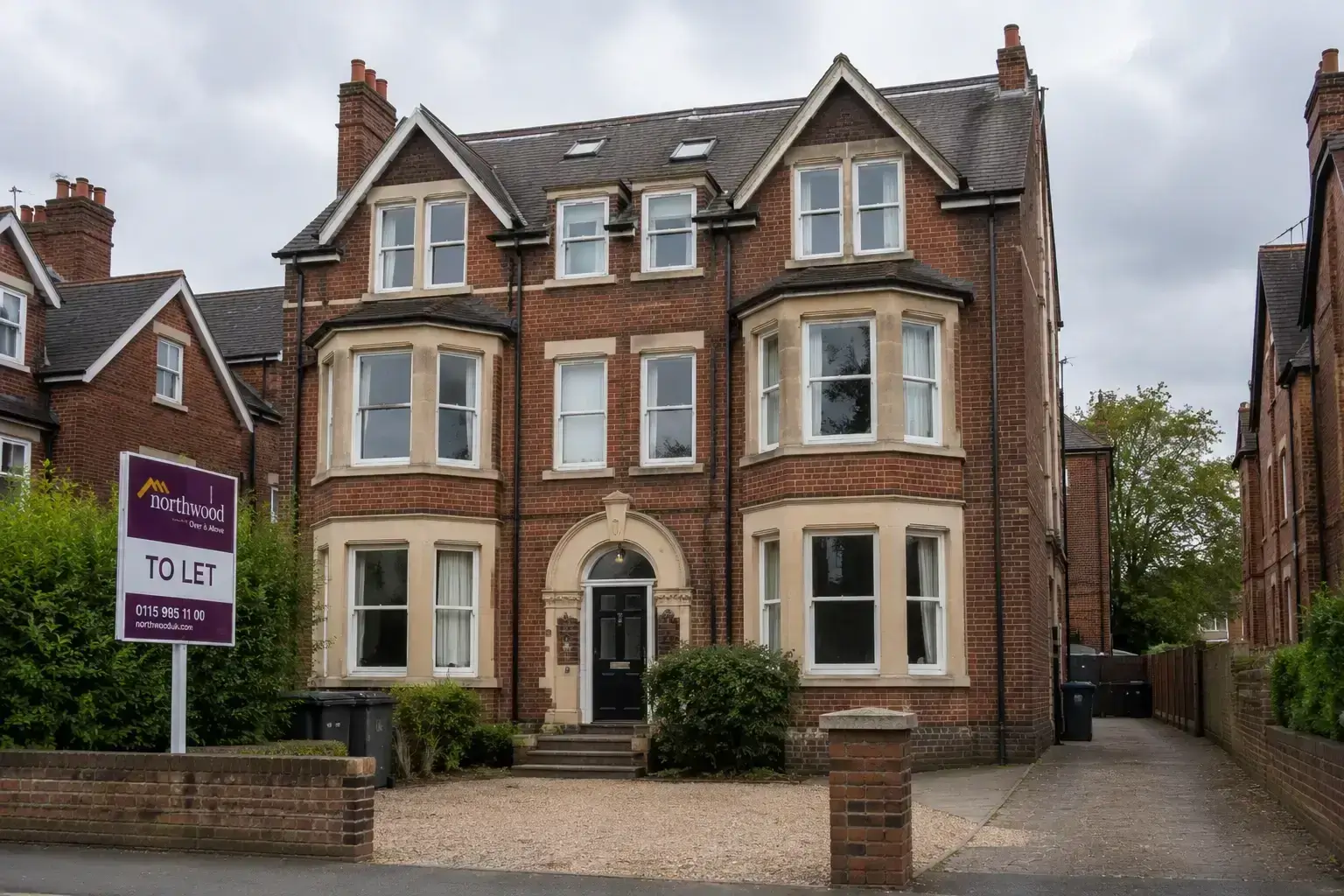
A larger mortgage can involve more detailed checks, especially around income, affordability, deposit, property value and lender criteria.
Useful reminder: Mortgage approval is not guaranteed and depends on the lender’s full assessment.
Quick answer
How do large loan mortgages work?
A large loan mortgage is usually a mortgage where the borrowing amount is higher than standard residential cases. There is no single definition, because lenders set their own thresholds and criteria. Larger loans often involve closer checks on income, outgoings, deposit, credit profile, property type and repayment strategy. Some lenders may offer more flexible underwriting for higher earners or complex income, while others apply stricter affordability rules. A Decision in Principle can help give an early indication, but mortgage approval is not guaranteed and depends on the full application, valuation and lender assessment.
Important: Your home may be repossessed if you do not keep up repayments on your mortgage.
Large loan thresholds vary by lender, property value and the type of mortgage required.
Lenders look closely at income, commitments, dependants, credit profile and future affordability.
Bonuses, commission, dividends, retained profits or partnership income may be treated differently by lenders.
Matching the case to the right lender can be important when borrowing larger amounts.
Key points
Key takeaways about large loan mortgages
Request a callback
Request a callback
Have a question about this guide? Leave your details and an adviser can talk you through the next step.
Main guide
What is a large loan mortgage?
A large loan mortgage is a mortgage where the amount being borrowed is higher than a typical residential mortgage. There is no single UK-wide definition of a large loan. One lender may treat a case as a large loan at one level, while another may use a different threshold.
Large loan mortgages can apply to home purchases, remortgages, high-value properties, professional borrowers, higher earners, business owners or applicants with more complex income. The important point is not just the size of the loan, but whether the mortgage is affordable and fits the lender’s criteria.
Why larger loans can need more detailed checks
Lenders often look more closely at larger mortgage applications because the financial risk is greater. They may review income documents in more detail, ask more questions about commitments, check the property carefully and apply specific large loan rules.
For example, a borrower with salary and bonus income may find that one lender uses most of the bonus, while another only uses part of it or averages it over several years. A company director may find that some lenders focus on salary and dividends, while others may consider retained profit or a wider view of the business.
A large loan mortgage is not automatically difficult, but it does need careful preparation. The amount someone can borrow depends on income, outgoings, deposit, credit history, property type and lender criteria.
Your home may be repossessed if you do not keep up repayments on your mortgage.

What do lenders check on a large loan mortgage?
Large loan lenders usually assess the same core areas as a standard mortgage, but the checks can be more detailed. The lender wants to understand whether the mortgage is affordable now and remains realistic if circumstances change.
Lenders may review:
- basic salary and employment history
- bonus, commission or overtime income
- self-employed income, dividends or retained profits
- regular commitments and credit agreements
- dependants and household costs
- deposit size and source of funds
- credit history and recent credit conduct
- property value, construction type and location
- loan-to-value and requested mortgage term
- repayment method, especially for interest-only borrowing
Income can be a major part of the assessment. Higher earners may have income made up of several elements, such as bonus, commission, restricted stock, partnership drawings, dividends or profit share. Lenders do not all treat these the same way.
Some lenders may accept a larger proportion of variable income if there is a strong track record. Others may take a more cautious approach or average income over two or three years.
The deposit also matters. A larger deposit can reduce the loan-to-value and may improve lender choice, but the mortgage still needs to pass affordability checks. Mortgage approval is not guaranteed, even with a strong deposit or high income.
This is where adviser support can be useful. A mortgage adviser can help identify lenders whose criteria are more likely to fit the income, property and loan size.

This is a simplified illustration. Lender checks and underwriting requirements vary.
How income affects a large loan mortgage
Income is central to most large loan mortgage applications, but the way it is assessed can vary widely. A straightforward employed applicant may be assessed mainly on basic salary. However, many larger loan cases involve more detailed income structures.
This might include annual bonus, commission, overtime, second jobs, dividend income, company profits, partnership income, investment income or income from overseas. Some lenders may accept these income types, but the amount they use in the affordability calculation can differ.
A lender may want to see a consistent track record. If income has recently increased, changed structure or become more variable, the lender may ask for further evidence. This could include payslips, P60s, tax calculations, company accounts, accountant references or bank statements.
Loan-to-value and deposit
The loan-to-value, often called LTV, compares the mortgage amount with the property value. For example, a larger deposit usually means a lower LTV. This can sometimes increase lender choice, but it does not remove the need for affordability checks.
Some lenders have specific rules for large loans at higher LTVs. Others may restrict maximum borrowing, ask for additional checks or have different pricing depending on the loan size and deposit.
The source of deposit also needs to be clear. Savings, sale proceeds, gifted deposits, investments or other sources may need to be evidenced. If the deposit is coming from family, overseas funds or business accounts, lenders may ask extra questions.
Property type and valuation
The property itself can affect the application. High-value homes, unusual properties, listed buildings, large acreage, new-build properties, flats, short leases or non-standard construction can all lead to additional checks.
The lender will usually require a valuation. If the valuer has concerns about condition, value, saleability or construction, this can affect the mortgage offer. A strong personal profile does not guarantee the property will be acceptable.
Interest-only and repayment choices
Some large loan borrowers consider interest-only mortgages, part-and-part mortgages or longer terms to manage monthly payments. These options are not available to everyone and depend on lender criteria, affordability and repayment strategy.
For interest-only borrowing, lenders usually need a credible repayment plan. This could include sale of property, investments or other acceptable assets, depending on the lender. It is important to understand the risks, because the mortgage balance is not reduced during the interest-only period.
Common mistakes to avoid
A common mistake is assuming that high income automatically means high borrowing. Lenders also look at commitments, credit conduct, dependants, property type and affordability stress testing.
Another mistake is applying to a lender before checking how they treat the applicant’s income. This can lead to a lower borrowing figure or a declined application when another lender may have assessed the case differently.
How The Mortgage Hive can help
The Mortgage Hive can help you understand large loan mortgage options and lender criteria. We can review your income, deposit, property plans and affordability position before you apply.
This can be especially useful if your income includes bonuses, commission, dividends, retained profit, partnership income or other non-standard income. Different lenders can reach different borrowing figures from the same information.
Preparing your documents
Large loan applications often benefit from careful preparation. Depending on your circumstances, you may need payslips, P60s, bank statements, tax calculations, tax year overviews, accounts, accountant details, investment evidence or proof of deposit.
Having documents ready does not guarantee approval, but it can make the application clearer and reduce avoidable delays.
Fee-free mortgage advice
The Mortgage Hive provides whole-of-market mortgage advice and does not charge a broker fee. We can compare lenders, explain criteria and help you understand the mortgage process before submitting an application.
We will not tell you a mortgage is guaranteed. The final decision remains with the lender and depends on affordability, credit assessment, documents, valuation and full underwriting.
What to do next
Before making an offer or remortgaging, consider your monthly budget carefully. A larger mortgage can mean larger repayments and greater exposure if rates, income or personal circumstances change.
Speaking to a qualified mortgage adviser can help you understand your options and the risks before making a decision.
Your home may be repossessed if you do not keep up repayments on your mortgage.
Useful questions to ask your adviser.
- Which lenders are most suitable for the loan size I need?
- How much of my bonus, commission or variable income could be used?
- Will my deposit size affect lender choice or pricing?
- How will my existing commitments affect affordability?
- Are there any large loan restrictions at my loan-to-value?
- Would repayment, interest-only or part-and-part borrowing be available?
- What documents should I prepare before applying?
MORTGAGE-READY STEP
WHAT IS A DECISION IN PRINCIPLE?
A Decision in Principle, sometimes called an Agreement in Principle or Mortgage in Principle, is an initial indication from a lender of what they may be prepared to lend based on information provided at that stage.
It can help you understand a possible budget and show estate agents that you have started the mortgage process. It is not a full mortgage offer and can still change once the full application, documents, credit checks, valuation and underwriting are completed.
Fee-free mortgage advice
Don’t get stung, let The Mortgage Hive save you money.
- Free advice, nothing to lose
- Open, honest, straight-talking guidance
- Great friendly customer service
- Online, over the phone, or face to face
- Residential mortgages
- Buy-to-let mortgage advice
- Self-employed income
- Adverse credit cases
Speak to a mortgage broker before you apply.
Clear, friendly guidance with no pressure and no guesswork.
Lender access
Access to over 100 lenders.
We can help you explore options from a wide range of mainstream and specialist lenders, giving you a clearer view of what may be possible based on your circumstances.
Process map
How the mortgage advice and application process usually flows
This visual route map shows the usual stages from an initial conversation through to application, offer and completion.
We look at whether you are buying, remortgaging, moving home, investing or dealing with a more complex situation.
Income, outgoings, deposit or equity, credit history, property type and lender requirements are reviewed.
Suitable mainstream and specialist lenders are compared to see what may be possible based on your circumstances.
Documents are prepared, fees and repayments are checked, the application is submitted and lender questions are handled through to offer and completion.
WHY CLIENTS CHOOSE THE MORTGAGE HIVE
WHY CLIENTS CHOOSE THE MORTGAGE HIVE.
Mortgage decisions can feel confusing, especially when lender criteria, affordability and rates all need to be considered. The Mortgage Hive helps make the process clearer, with fee-free mortgage advice and access to a wide range of lenders.
FEE-FREE ADVICE
We do not charge an advice fee for mortgage advice, so you can speak to us before deciding your next step.
WIDE LENDER ACCESS
We can compare options from over 100 mainstream and specialist lenders, depending on your circumstances.
CLEAR GUIDANCE
We explain the options, costs and criteria in plain English, without pressure or jargon.
FLEXIBLE SUPPORT
Speak to us online, over the phone or face to face, whether you are buying, remortgaging or exploring buy-to-let.
Sources checked
Trusted sources used to support this guide.
These sources support the educational content and should be checked again when the page is reviewed or updated.
FAQs
Common large loan mortgage questions.
What is classed as a large loan mortgage?
There is no single definition of a large loan mortgage. Each lender sets its own thresholds, and these can depend on the mortgage amount, property value, loan-to-value and type of application. A mortgage adviser can help explain which lenders may treat your case as a large loan.
Are large loan mortgages harder to get?
Not always, but they can involve more detailed checks. Lenders may look more closely at income, affordability, deposit, credit history, property details and repayment method. Approval is not guaranteed and depends on the full application, valuation and lender criteria.
Can bonus or commission be used for a large loan mortgage?
Some lenders may use bonus, commission or other variable income, but they do not all calculate it in the same way. A lender may use a percentage, an average over several years or require evidence of consistency. The amount accepted can affect borrowing.
Can self-employed applicants get large loan mortgages?
Yes, self-employed applicants may be able to get large loan mortgages, but lenders will usually review income evidence carefully. This may include accounts, tax calculations, tax year overviews, business bank statements or accountant details. Criteria vary between lenders.
Do I need a bigger deposit for a large mortgage?
A larger deposit can sometimes improve lender choice and reduce loan-to-value, but it does not guarantee approval. The lender still needs to assess affordability, income, credit profile and the property. Some lenders apply specific rules for larger loans at higher loan-to-values.
Can I get a large loan mortgage on interest-only?
Some lenders offer interest-only or part-and-part options for larger loans, but they usually require a clear repayment strategy and may have minimum income, equity or property value rules. Interest-only is not suitable for everyone and carries specific repayment risks.
Can The Mortgage Hive help with large loan mortgages?
Yes. The Mortgage Hive can help compare large loan mortgage options, explain lender criteria and support the application process. We provide whole-of-market mortgage advice and do not charge a broker fee. Final approval still depends on the lender’s checks.
Our reviews
Trust should be easy to verify.
Read what clients say about The Mortgage Hive on Google, then speak to us before you decide what to do next.
Need a larger mortgage?
Check your large loan mortgage options
Large loan mortgages can involve detailed checks on income, affordability, deposit and property type. The Mortgage Hive can help you understand lender criteria and compare options before you apply.
Important mortgage information
Your home may be repossessed if you do not keep up repayments on your mortgage. Mortgage approval is subject to status, affordability and lender criteria.
Interest rates, fees and criteria can change, and early repayment charges may apply. This guide is for general information only and is not personal financial advice.