
When should I start my remortgage?
Many people start looking about six months before their current deal ends. Many lenders let you secure a new rate up to around six months ahead, so it is ready to start when your deal finishes. If nothing is arranged, your mortgage usually moves to the lender’s standard variable rate or another reversion rate.
That gives time for advice, an application, a valuation and any legal work without rushing. Starting early does not usually mean paying an early repayment charge, because the new deal is normally timed to start when your current deal ends. With some lenders, you can also ask to move to a newer deal before your new term starts, if one is available.
Why timing matters at the end of a deal
Most fixed and tracker deals last for a set number of years. Your mortgage offer and annual statement show the date the deal ends, the rate you move to afterwards and whether an early repayment charge applies before that date.
Remortgaging means moving your mortgage to a new deal. That can be a new product with your current lender, often called a product transfer, or a new mortgage with a different lender.
Important: An early repayment charge usually applies only until a set date. Check that date before completion is arranged, so the new mortgage does not start while the charge still applies.
How early can I secure a new deal?
With many lenders, you can secure a new deal up to about six months before your current one ends. Lenders that signed the government’s Mortgage Charter agreed that customers approaching the end of a fixed rate deal can lock in a deal up to six months ahead. Some lenders work to a shorter window, so it depends on the lender and the product.
Each mortgage offer is valid for a period set by the lender. If your deal ends further away than that, you may need to wait before applying, or ask whether the offer can be extended.
What happens if my deal ends before I remortgage?
Your mortgage does not stop. It usually moves to the lender’s standard variable rate or another reversion rate set out in your offer. That rate can change at any time and can be higher than the deals on offer, so your monthly payment may go up.
You can usually still remortgage once you are on the reversion rate. Many reversion rates have no early repayment charge, but check your own terms.
What should I do six months before my deal ends?
- Find your deal end date and the date any early repayment charge stops.
- Check your balance, the remaining term and roughly what your home is worth.
- Think about changes: borrowing more, changing the term, or adding or removing someone.
- Gather recent payslips or accounts, bank statements and your latest mortgage statement.
- Compare a product transfer with your current lender against a remortgage elsewhere.
Our remortgage calculator gives a rough idea of monthly costs, and the early repayment charge calculator helps if you are thinking of moving earlier.
Can I remortgage if my circumstances have changed?
Often, yes, but it can change which options are open to you. A new lender will usually check your income, spending and credit history. Your current lender may not need a full affordability check for a like-for-like product transfer if you are not borrowing more. Changes such as a new job, self-employment, lower income or missed payments are worth raising early. If you have had credit problems, see our page on adverse credit mortgages.
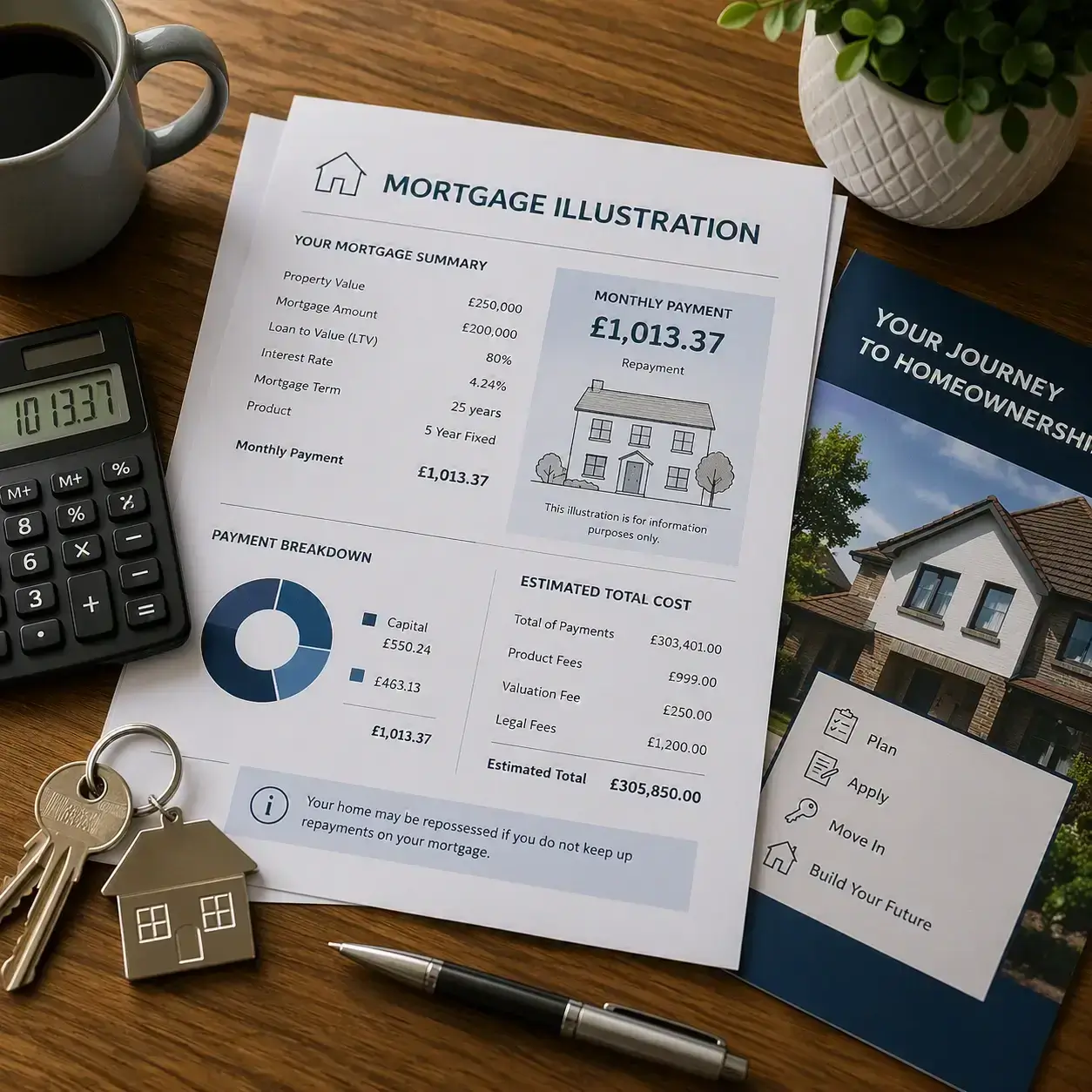
Three situations and how timing affects them
These examples are illustrative, not real clients. Every lender and every case is different.
Deal ends in eight months
It may be too early to secure a new deal with many lenders. This is a good time to check dates, documents and a rough property value.
Deal ends in five months
Many lenders would let you apply now. An offer can be secured and timed to start when the current deal ends.
Deal ended last month
The mortgage is likely to be on a reversion rate. A product transfer or remortgage can usually still be arranged, often without an early repayment charge.
Starting early or leaving it late?
Both have trade-offs. The main risk is leaving too little time.
Starting around six months ahead
- Time to compare deals and gather documents
- An offer can be in place before the deal ends
- Some lenders let you move to a newer deal before completion
- Less risk of time on a reversion rate
Leaving it late
- Less time if a valuation or legal work is needed
- A gap could mean time on a reversion rate
- Fewer options if your circumstances have changed
- Decisions can feel rushed
Your questions answered
How many months before my fixed rate ends should I remortgage?
Many people start about six months before. Many lenders let you secure a new deal up to around six months ahead, though some work to a shorter window.
Will I pay an early repayment charge if I remortgage six months early?
Usually not, if the new mortgage is set to start when your current deal ends. A charge normally applies only if the old deal is repaid before the charge period ends.
Can I change my mind after securing a deal?
Often, yes. Until the new mortgage completes, you can usually look at other options, although any fees already paid may not be refunded.
Will my lender tell me my deal is ending?
Lenders usually write before a deal ends. Lenders that signed the Mortgage Charter agreed to give well-timed information to help customers plan ahead.
Is it worth remortgaging if I’m on the standard variable rate?
It can be worth comparing. A standard variable rate can change at any time, and many lenders offer other deals to existing customers. Whether a switch suits you depends on fees, rates and your plans.
Check your timing before your deal ends.
This page provides general information, not personal advice. The Mortgage Hive can look at your deal end date, any early repayment charge and the options available to you. We don’t charge a broker fee. Other costs may apply.
Request a call back
Leave your details and an adviser will call you at a time that suits. There is no obligation to go ahead.
This page is general information, not personal advice. Your home may be repossessed if you do not keep up repayments on your mortgage. The Mortgage Hive is FCA authorised. Our mortgage advice covers homes across the UK. Some rules and lender options differ in Scotland and Northern Ireland. We don’t charge a broker fee. Other costs may apply.