
How much deposit do I need to move house?
For most home movers, the deposit comes from the equity in their current home: the sale price less the mortgage and selling costs. How much you need depends on the price of the new home and the loan-to-value the lender allows. A bigger deposit can gives access to more rates, but every lender’s criteria differ.
Lenders set maximum loan-to-value limits, and rates often vary by LTV band. Your deposit is what is left after the old mortgage, any early repayment charge, estate agent and legal fees are paid. Keep separate money aside for Stamp Duty and the other costs of buying.
How equity becomes your deposit
Equity is the part of your home you own outright. When you sell, your mortgage is repaid from the sale, and what is left after selling costs usually becomes the deposit on the new home.
Illustrative example: you sell for £300,000 with a £180,000 mortgage, and selling costs are £8,000. That leaves £112,000. On a £400,000 purchase, you would borrow £288,000, a loan-to-value of 72%, before buying costs. These figures are illustrative only.
What loan-to-value will lenders allow?
It depends on the lender, your circumstances and the property. Lenders set maximum LTVs, and rates often vary by LTV band, so a slightly bigger deposit can sometimes open up more options. Our loan-to-value calculator shows how different figures change your LTV.
What costs come out of my equity?
Before you can count your deposit, allow for the estate agent’s fee, legal fees on the sale, any early repayment charge or other charges on repaying your current mortgage, and removals. Then keep separate funds for buying costs such as Stamp Duty, legal fees and a survey. Our answer on the cost of moving house lists them.
What if I have little equity?
If prices have not risen much, or you bought with a small deposit, your equity may be limited. That means a higher loan-to-value, and whether that is possible depends on the lender’s criteria and affordability. An adviser can check the options. If you owe more than your home is worth, our answer on moving with negative equity explains the options.
Can I use savings or a gift as well?
Often, yes. Expect to be asked where any extra money comes from, and ask your lender what evidence it needs for a gift. Our how much can I borrow calculator helps you see how the deposit and the mortgage fit together.
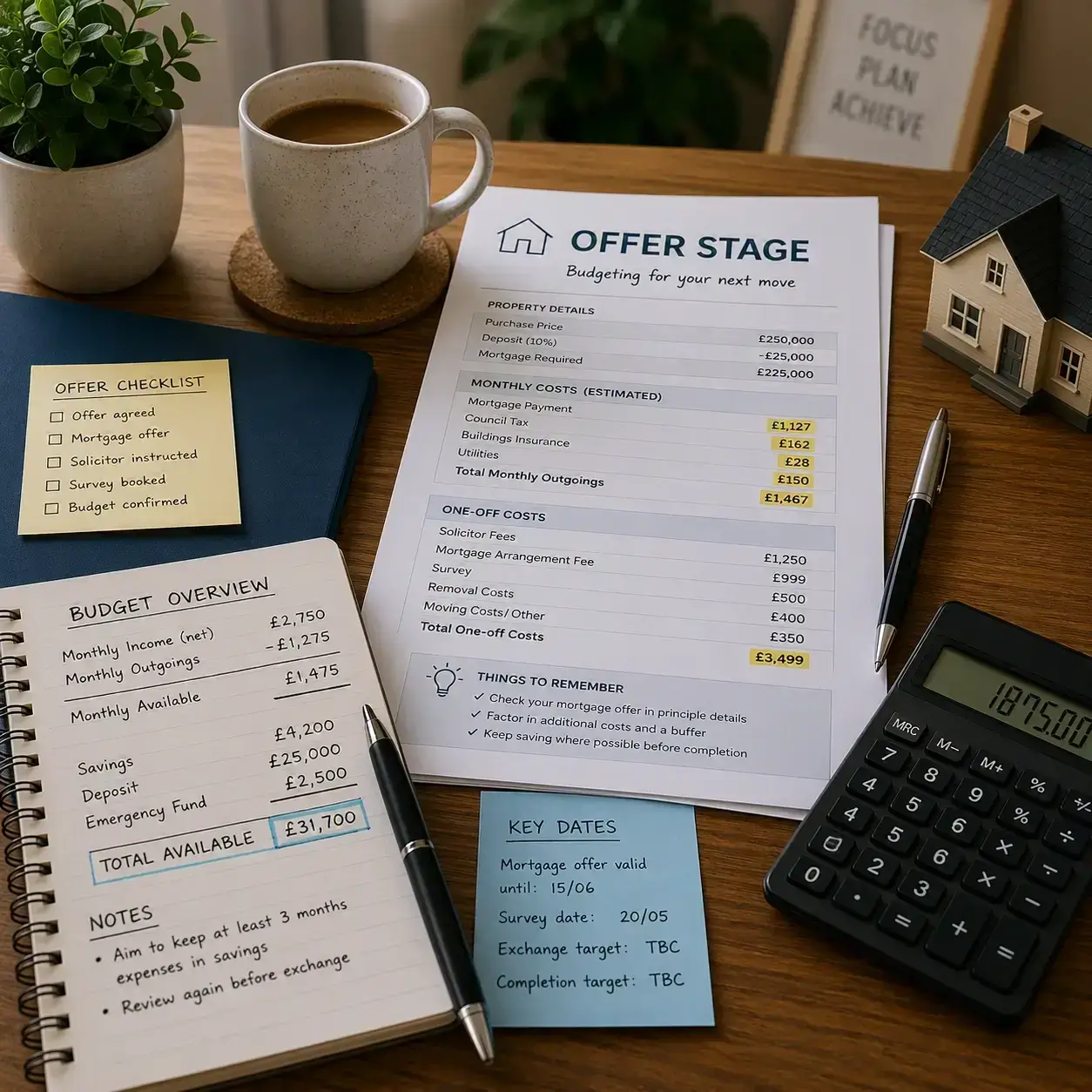
Three situations and how the deposit works out
These examples are illustrative, not real clients. Every lender and every case is different.
Plenty of equity
A large deposit from the sale. More rates may be available at a lower LTV.
Small rise in value
Limited equity after costs. A higher-LTV mortgage is compared, subject to affordability.
Adding savings
Savings top up the equity to reach a lower LTV band, keeping enough aside for buying costs.
Bigger deposit or keeping cash aside?
Both matter. The right balance depends on your plans.
Putting more into the deposit
- Lower loan-to-value
- May open up more rates
- Smaller mortgage to repay
- Less cash left for costs and emergencies
Keeping more cash aside
- Money for moving costs and repairs
- A cushion if things go wrong
- Higher loan-to-value
- Larger mortgage to repay
Your questions answered
Do you need another deposit to move house?
Usually, the equity from your sale becomes the deposit. You may not need new savings if your equity is enough.
How much deposit do I need when moving house?
It depends on the price and the loan-to-value your lender allows for your circumstances.
Is my equity the same as my deposit?
Not quite. Your deposit is what is left after the old mortgage and selling costs are paid.
Can I move with a small deposit?
Possibly. It depends on the lender’s criteria and whether the payments are affordable. An adviser can check the options.
Should I keep some money back for moving costs?
It is sensible to budget for Stamp Duty, legal fees, surveys and removals separately from the deposit.
Work out what you could put down.
This page provides general information, not personal advice. The Mortgage Hive can help you estimate your equity, deposit and borrowing. We don’t charge a broker fee. Other costs may apply.
Request a call back
Leave your details and an adviser will call you at a time that suits. There is no obligation to go ahead.
This page is general information, not personal advice. Your home may be repossessed if you do not keep up repayments on your mortgage. The Mortgage Hive is FCA authorised. Our mortgage advice covers homes across the UK. Some rules and lender options differ in Scotland and Northern Ireland. We don’t charge a broker fee. Other costs may apply.